Can Decaying Posterior Teeth Trigger Unexplained Chronic Migraines and Headaches?
Suffering from unexplained tension headaches? Discover how a dentist in Bedford, NH evaluates bite alignment to relieve pain.

Decaying posterior teeth do not directly cause migraines in every person, but they can contribute to persistent headaches by altering bite mechanics, increasing jaw muscle strain, and placing extra stress on the temporomandibular joints. When untreated decay changes the way you chew or causes chronic inflammation, the resulting discomfort may resemble or worsen tension headaches, making evaluation by a dentist in Bedford, NH an important part of identifying possible contributing factors.
Could an unresolved dental problem be playing a role in headaches that have no obvious explanation? A 2024 systematic review found that people with migraines and tension-type headaches had a significantly higher risk of temporomandibular disorders than those without headaches, reinforcing the close relationship between jaw function and chronic head pain.
How Decaying Posterior Teeth Can Contribute to Head and Facial Pain
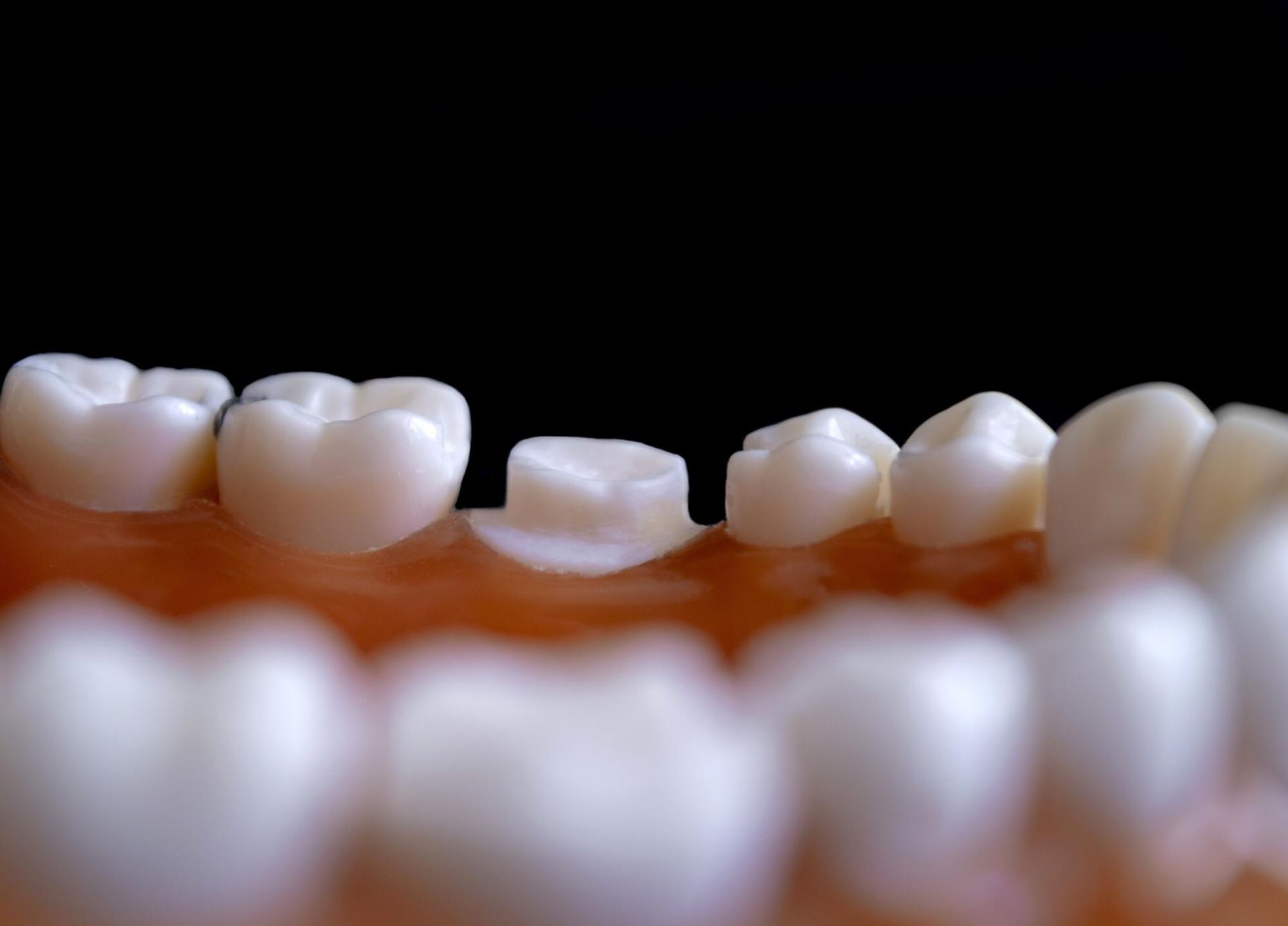
Posterior teeth handle most chewing pressure. When deep decay affects these teeth, biting can become painful.
Many people then shift chewing to one side without noticing. That uneven movement increases stress on the jaw muscles and may contribute to bite misalignment causes.
Pain from a decayed tooth can also spread beyond the mouth. Shared nerve pathways may cause discomfort in the temples or sides of the head.
In some cases, a sore tooth also encourages nighttime grinding. Effective clenching symptom management begins by identifying and treating the source of that extra jaw strain.
Why Bite Problems May Be Mistaken for Chronic Migraine
A damaged back tooth can gradually change the way your teeth meet. That shift places more stress on the jaw muscles and joints. The discomfort may resemble migraine pain, especially around the temples.
A dental exam can determine whether the jaw contributes to persistent headaches. Some patients benefit from TMJ disorder treatment after the source of joint strain is identified. Correcting bite misalignment causes may also contribute to tension headache relief when dental factors play a role.
How a Dentist in Bedford NH Evaluates Bite Function and Jaw Health
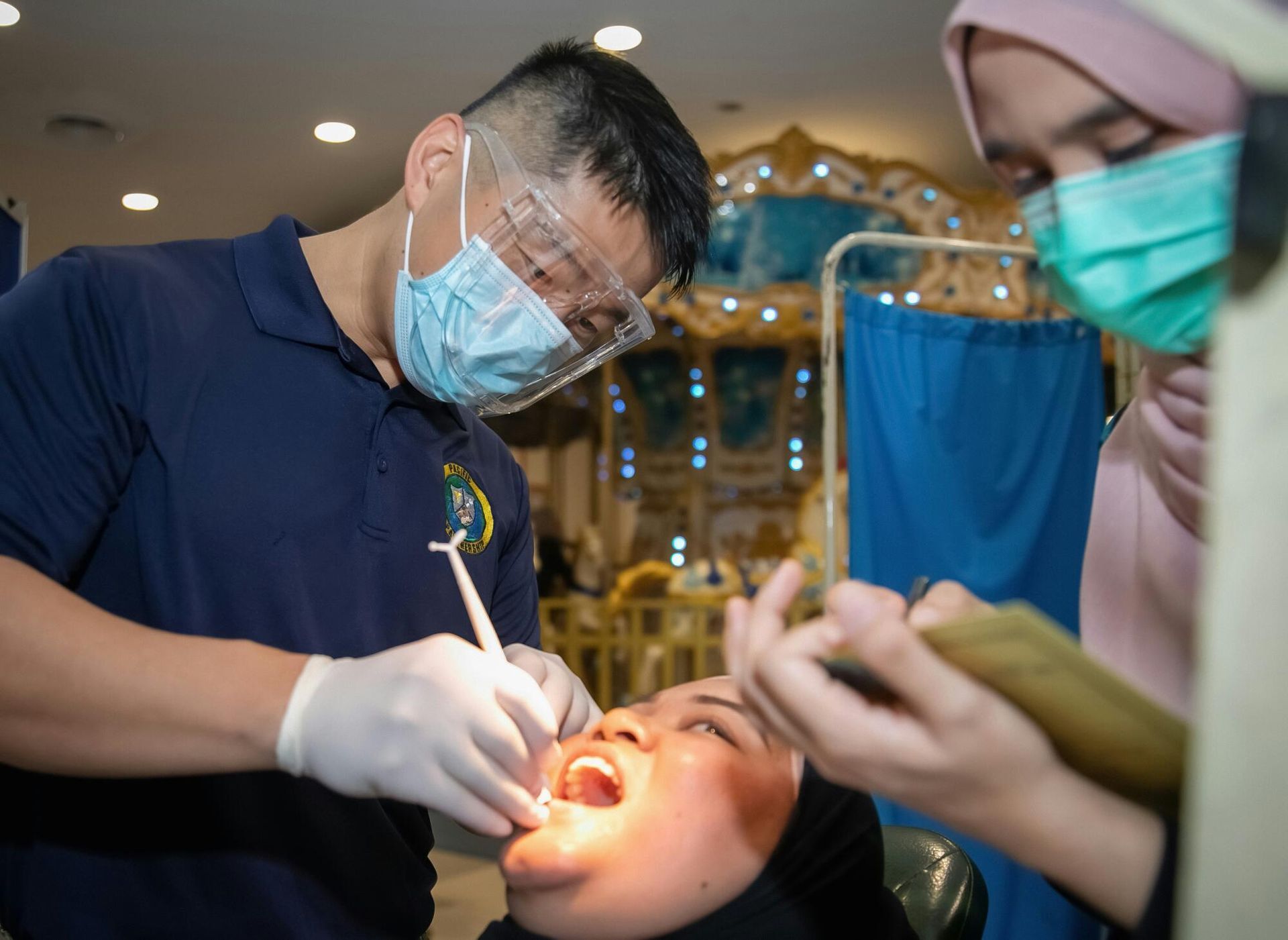
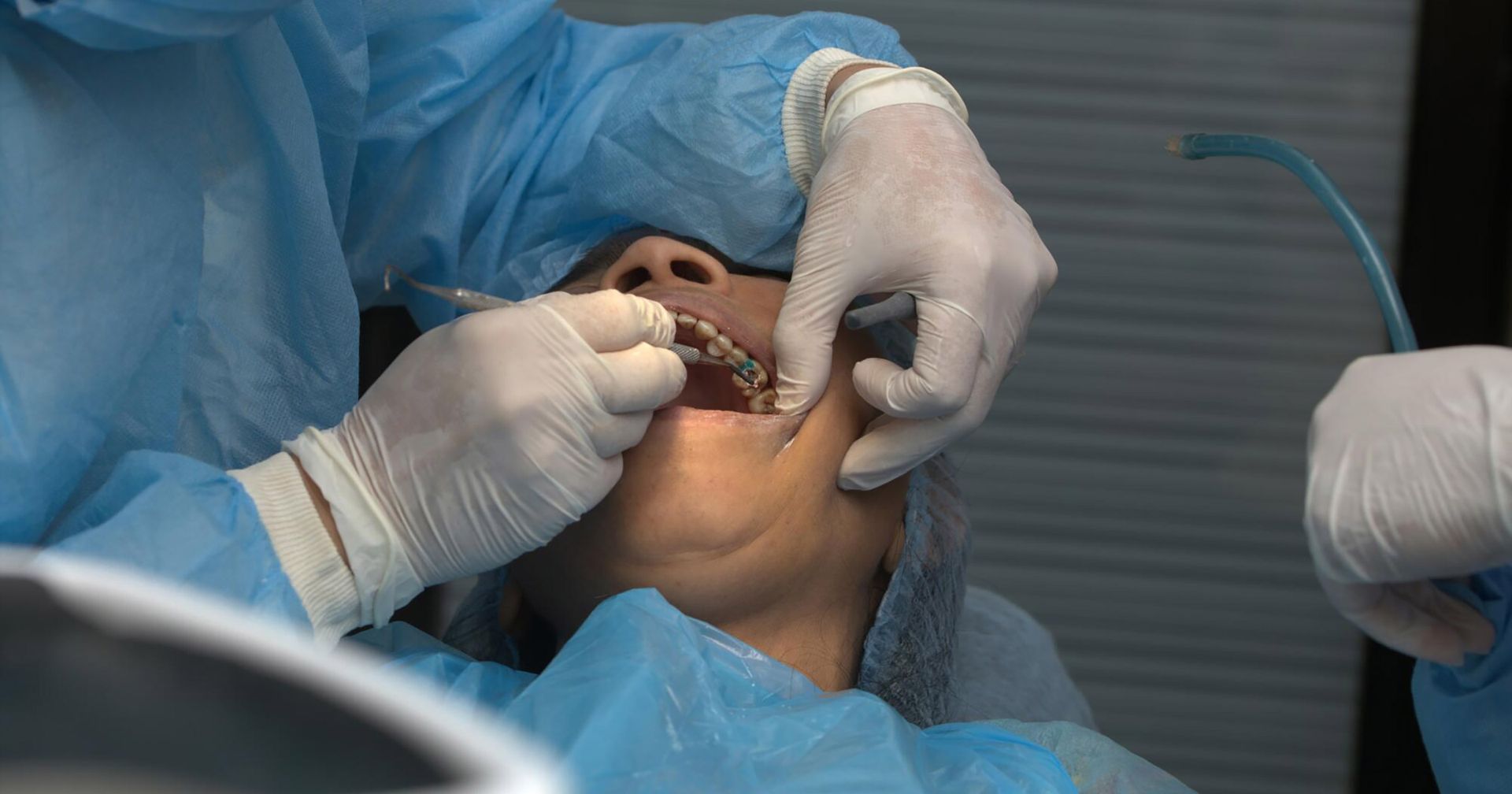
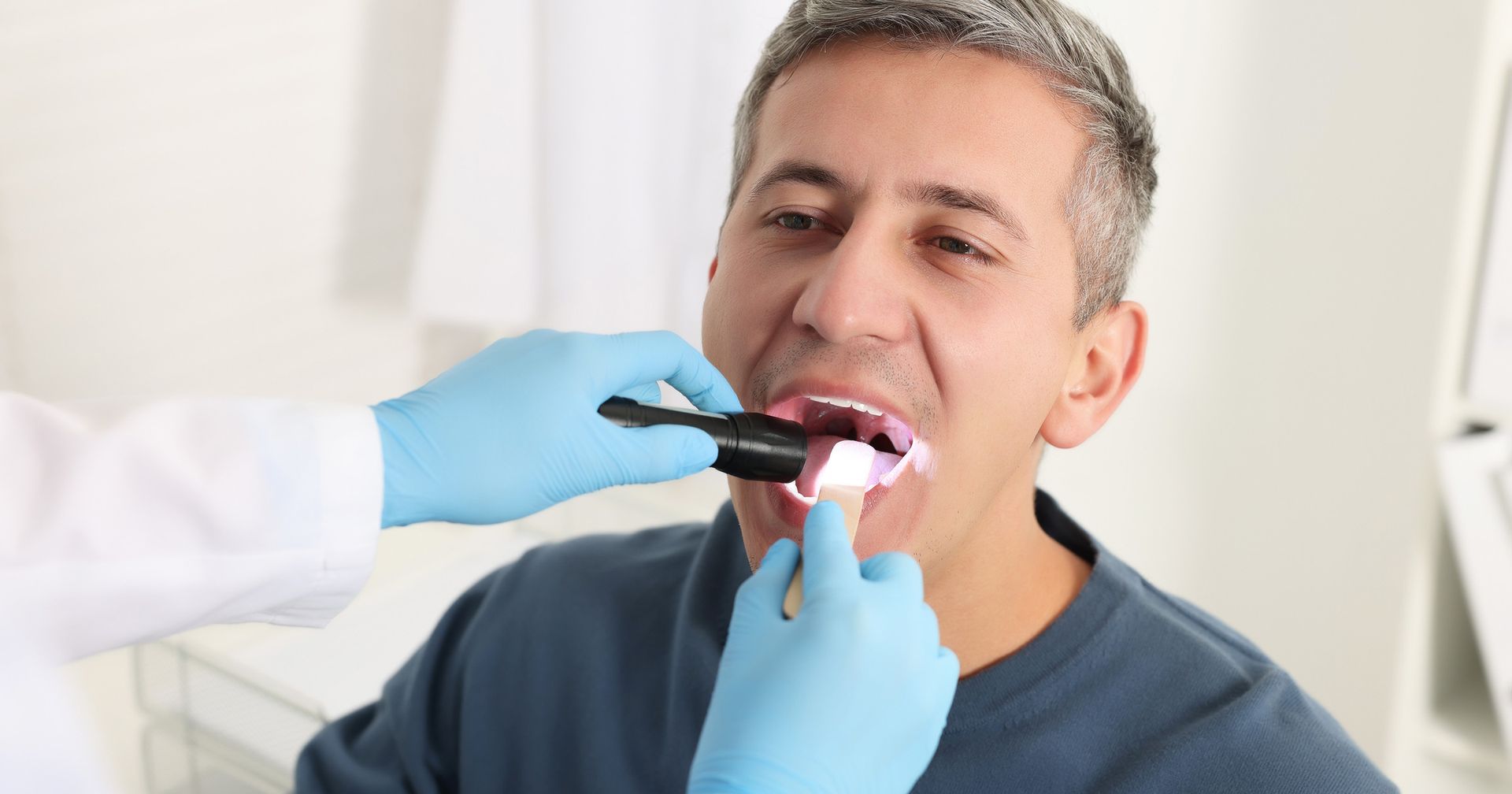
A dentist in Bedford NH examines the teeth, gums, and bite to look for hidden causes of jaw strain. The exam checks for decay, worn teeth, uneven bite contact, and signs of grinding.
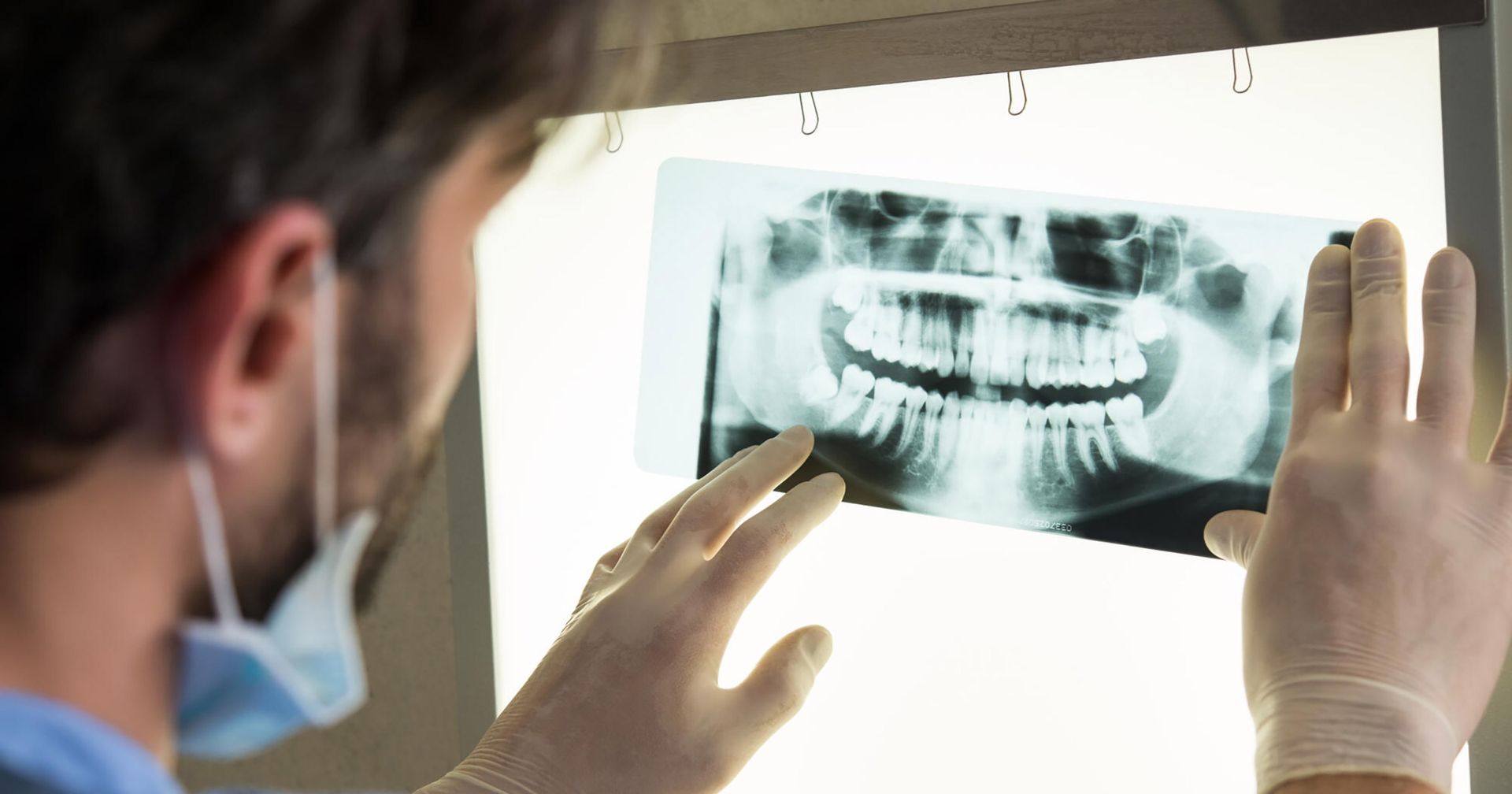
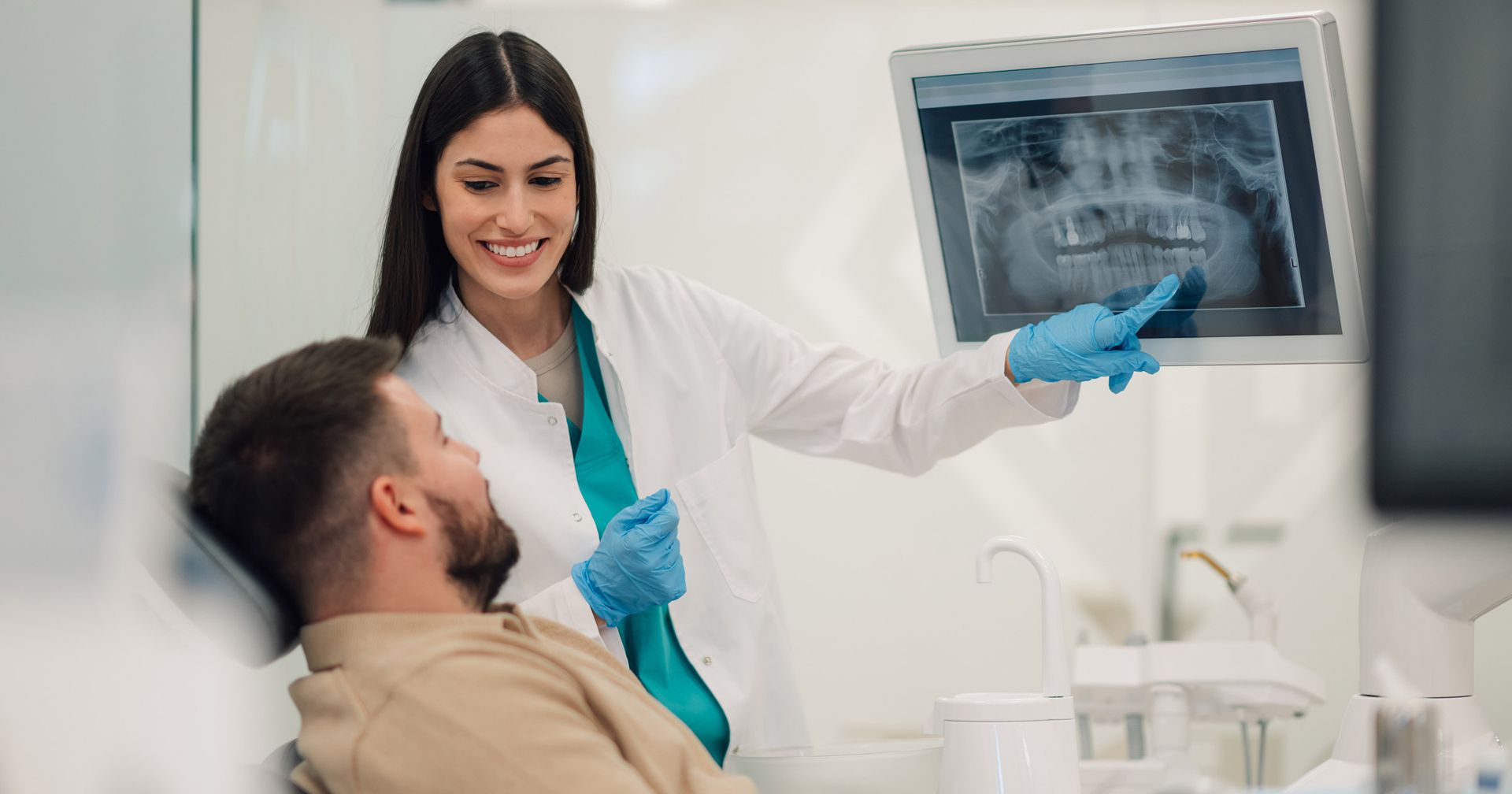
Digital X-rays and bite analysis can reveal problems that are not visible during a routine exam. If tooth position affects bite balance, local dental orthodontics or TMJ disorder treatment may be recommended. These findings can complement medical evaluation for ongoing headaches.
Find Local Dental Orthodontics in Bedford
Working with a dentist in Bedford, NH may identify dental factors that improve comfort, jaw function, and overall oral health.
At Dental Arts of Bedford, we believe outstanding dental care combines honesty, compassion, and comprehensive treatment under one roof.
Our experienced team creates personalized care plans with patient comfort as a priority, even for those with dental anxiety. From preventive and restorative dentistry to pediatric, sedation, and emergency care, we deliver a broad range of services in one location, reducing the need for outside referrals while supporting long-term oral health.
Get in touch today to find out how we can help with
your dental health.