Dental Implants with Gum Disease: What You Need to Know
Learn about dental implants with gum disease and discover solutions to restore your smile. Take steps towards better oral health today. Book a consultation!
You can get dental implants with gum disease, but only after the infection is properly treated. Healthy gums and sufficient bone support are essential for implants to succeed long-term. With the right treatment plan, many patients can still qualify and restore their smile safely.
Here's a shocking reality about gum disease: it doesn't just affect your gums -- it can quietly undermine your entire smile. The good news?
Dental implants with gum disease are still possible in many cases, but the path forward depends on timing, treatment, and the right care team.
Ignore the issue, and it progresses. Address it early, and you may still be a strong candidate for a lasting solution.
Gum health determines implant success. Treatment often comes before placement. With the right approach, restoring your smile is absolutely within reach.
Can You Get Dental Implants With Bad Gum Disease?
Short answer: yes, but not without addressing the underlying issue first.
Gum disease, also known as periodontal disease, damages the soft tissue and bone that support your teeth. Since implants rely on strong, healthy bone to stay secure, untreated infection creates a higher risk of implant failure.
That doesn't mean you're out of options. It just means the process may involve an extra step: stabilizing your oral health before moving forward.
Why Gum Health Matters for Implants
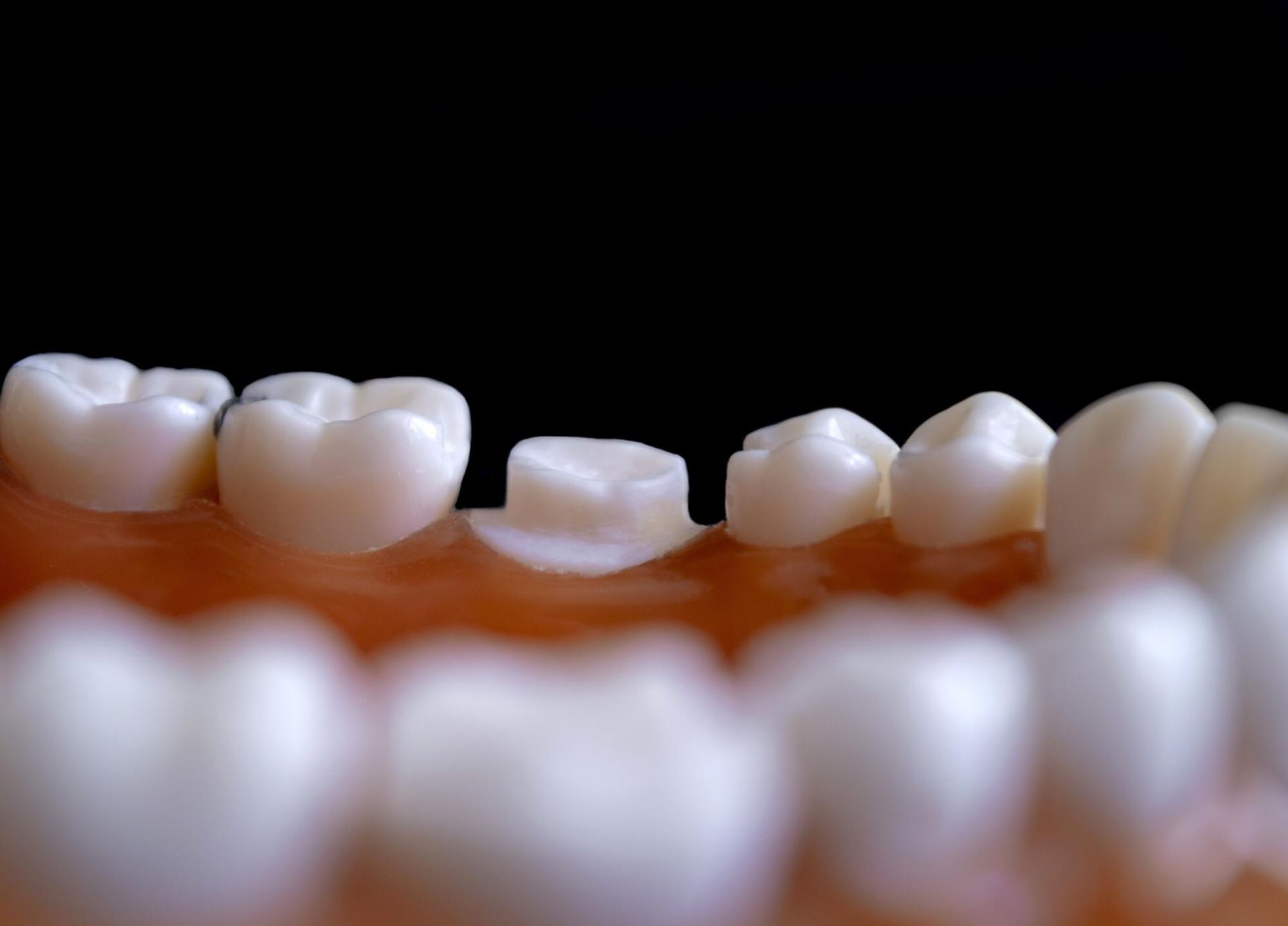
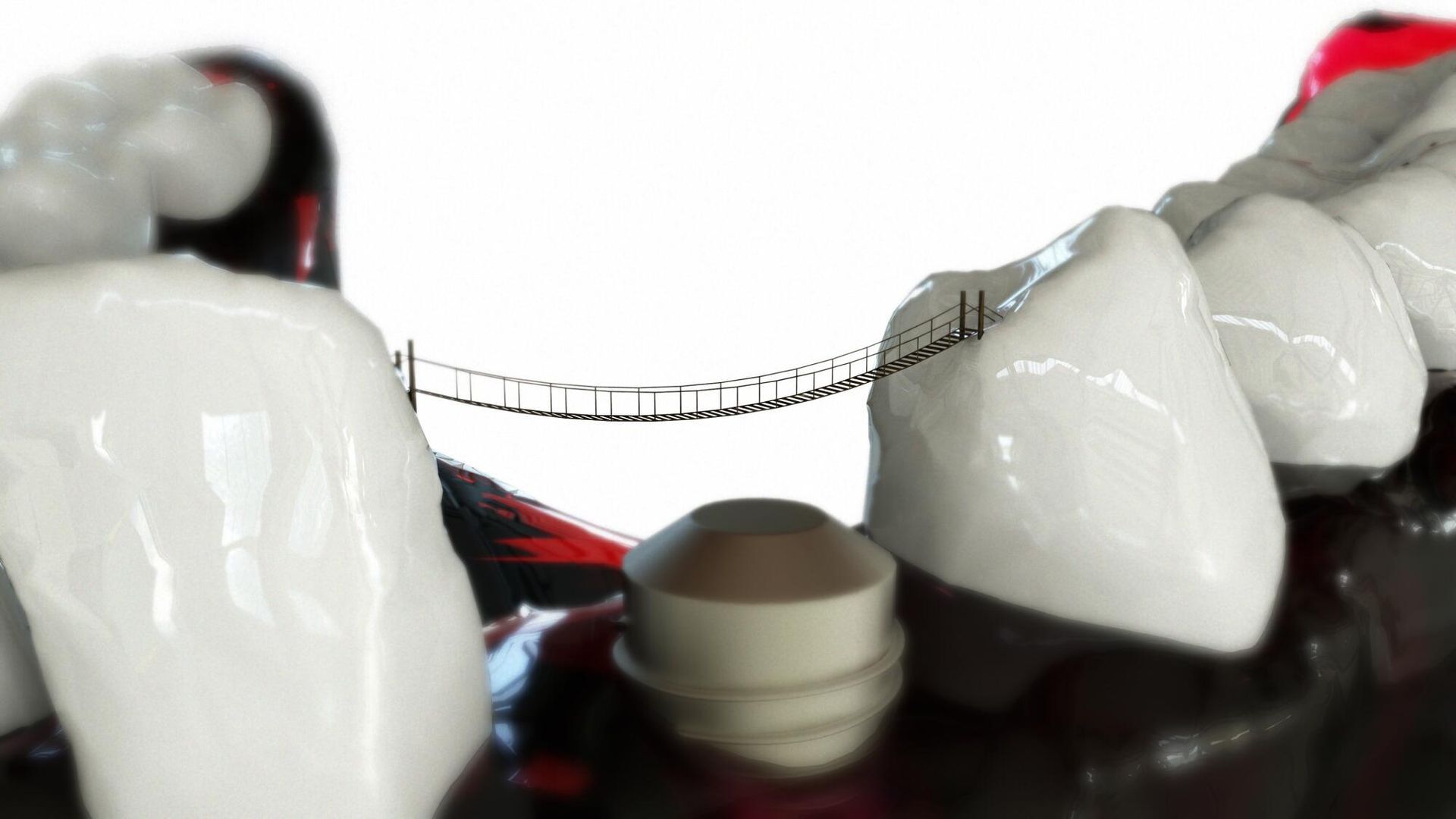
Dental implants act like artificial tooth roots. They fuse with your jawbone through a process called osseointegration. For that to happen successfully, the surrounding tissue must be free of infection.
If gum disease is present, it can:
- Weaken the bone structure needed to hold the implant
- Increase the risk of infection around the implant site
- Lead to implant failure over time
This is why implant dentistry always starts with a full evaluation-not just of your teeth, but of your overall gum condition.
Treating Gum Disease Before Implants
Before implants are placed, your dentist will recommend a personalized gum disease treatment plan. This might include:
- Deep cleaning (scaling and root planing)
- Antibiotic therapy
- Laser treatments or minor surgical procedures
The goal is simple: eliminate infection and create a stable foundation.
Is It Possible to Get Dental Implants With Severe Bone Loss?
Advanced gum disease can lead to bone loss, but even then, you may still have options.
Modern dental implant options include procedures that rebuild or support bone, such as:
- Bone grafting
- Sinus lifts (for upper jaw implants)
- Specialized implant techniques for reduced bone density
These solutions make oral health restoration possible even in more complex cases.
Choosing the Right Provider for Dental Implants With Gum Disease
Dental implants with gum disease aren't a one-size-fits-all situation. Treating gum disease and placing implants requires experience, precision, and a patient-first approach.
At Dental Arts of Bedford, our team focuses on both health and comfort. With advanced training in implants, sedation, and restorative care,
patients receive thoughtful treatment plans that prioritize long-term success rather than quick fixes. The team also stays current with evolving techniques and technology, ensuring every patient benefits from modern, evidence-based care.
Contact us today to schedule your consultation and start moving toward a healthier, more confident smile.