What Makes an Endodontist Different from a Dentist?
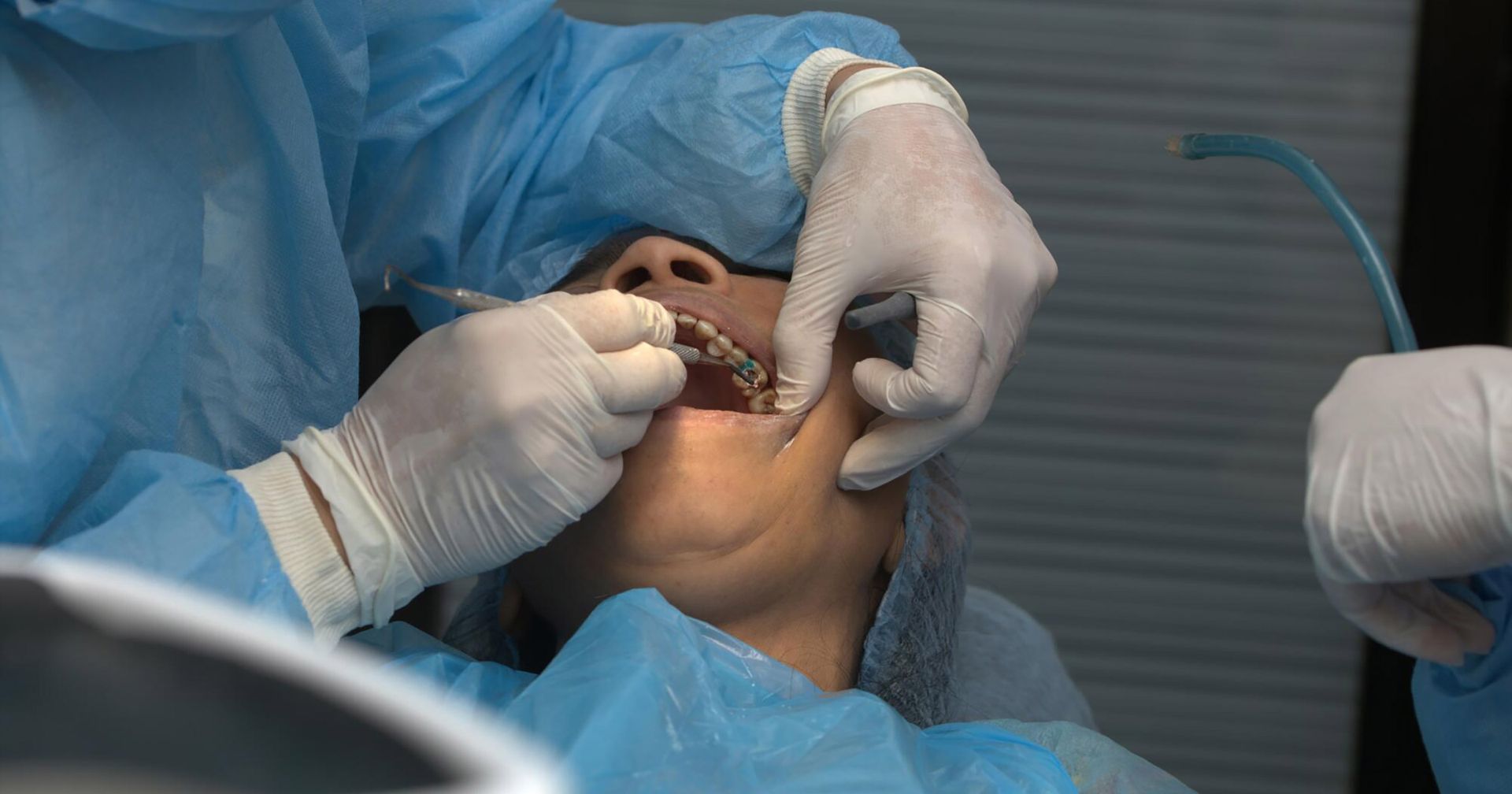
Discover what makes an endodontist different from a dentist. Learn about their specialized roles and expertise. Explore their key distinctions!
An endodontist is a dental specialist trained to diagnose and treat complex issues within the tooth, such as root canals, dental trauma, and infections.
While general dentists handle routine care, endodontists use advanced techniques to save natural teeth in challenging cases.
Have you ever wondered why some dental professionals focus on specific areas of dentistry?
If you find yourself asking this question, you're not alone. Many patients wonder about the differences between a general dentist and a specialist such as an endodontist. Understanding the role of each can help you make informed decisions about your dental care.
What Does an Endodontist Do?
An endodontist is a dentist who has undergone additional training to specialize in the treatment of the dental pulp and surrounding tissues. This specialization typically involves two to three additional years of education beyond dental school, focusing entirely on endodontics. Their primary expertise lies in diagnosing and treating complex problems associated with the inner parts of the tooth.
Some of the key endodontic procedures include:
- Root canal treatment
- Retreatment of previously failed root canals
- Apicoectomy, or surgical procedures to remove infected roots
- Treatment of dental trauma
This focused training equips endodontists with the skills to perform surgical and nonsurgical procedures that save your natural teeth. Many general dentists refer patients to endodontists when they encounter teeth with complicated issues, often due to the advanced techniques and technology that these specialists use.
Differences in Experience and Technology
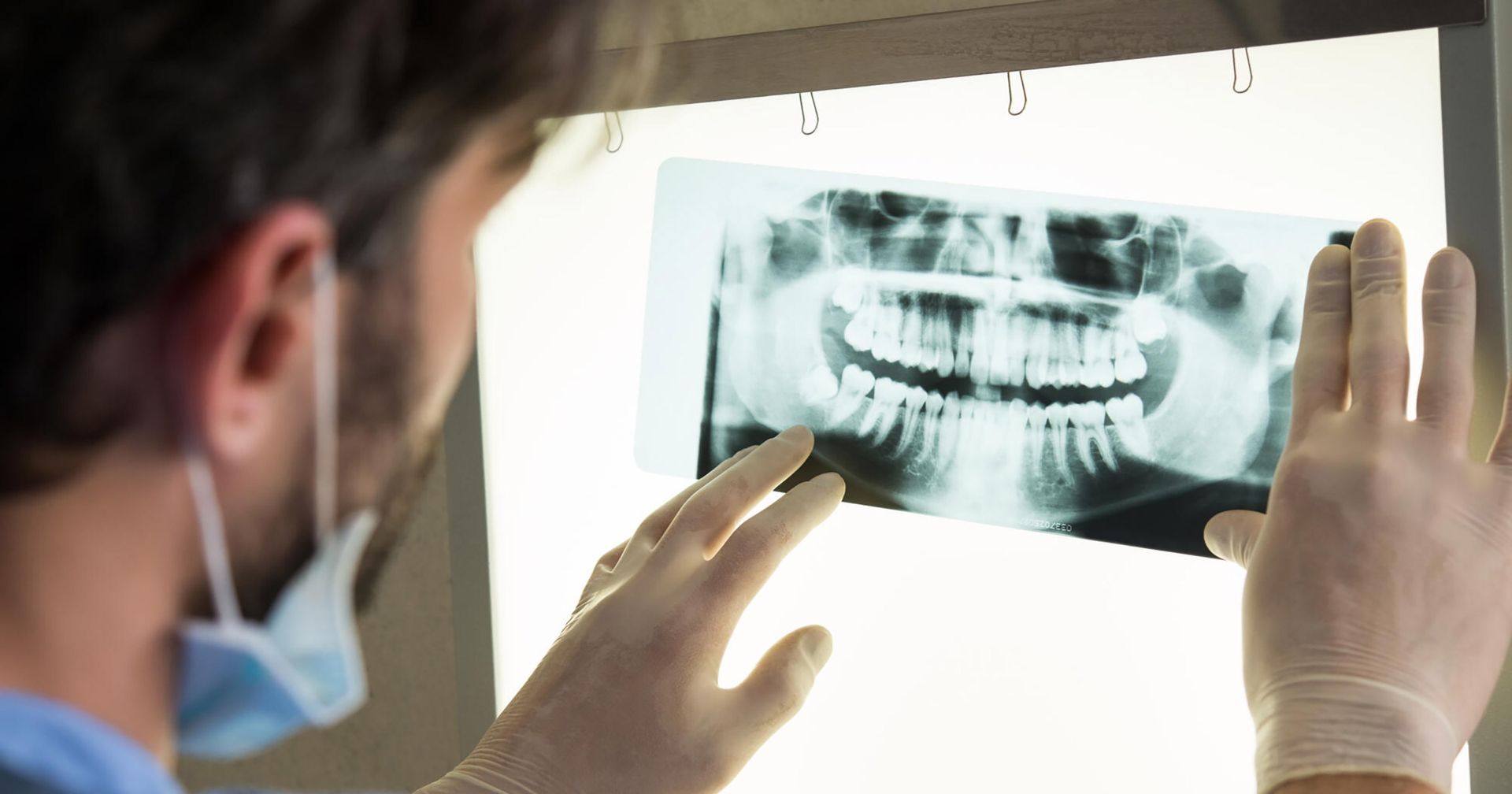
Both general dentists and endodontists strive to provide the best possible care, but their approaches can differ significantly. Endodontists often use more specialized tools and techniques. For instance, while a dentist may use conventional X-rays for diagnostics, endodontists frequently utilize Cone Beam Computed Tomography (CBCT), allowing for a 3D view of the tooth's structure.
Moreover, endodontists often handle more complex cases involving pain, infection, or trauma. Their specialized training enables them to address these issues with a higher degree of success. In contrast, general dentists may manage straightforward cases effectively but refer challenging cases to endodontists.
Importance of Choosing the Right Professional
Choosing the right professional is essential when dealing with dental issues. If you experience severe tooth pain or have been advised to seek a root canal, visiting an endodontist can offer you the best prognosis for preserving your natural tooth. Endodontists' unmistakable focus on tooth pain relief and infection treatment is what sets them apart.
While a dentist in Bedford, NH, can provide comprehensive care, recognizing when to consult with a dental specialist like an endodontist can make a significant difference in your dental health outcomes. Their specific expertise can help to ensure that your tooth-saving procedures are as efficient and effective as possible.
Experience the Difference with Us!
Your knowledge about the distinctions between dentists and endodontists will empower you to make better decisions about your dental health. If you ever find yourself questioning where to seek care, remember the crucial differences between each professional's specialties.
Whether you need a routine checkup or specialized dental care from our in-house endodontist, the team at Dental Arts of Bedford is here to help. With years of experience and dedication to dental excellence, we aim to provide comprehensive solutions tailored to your needs.
Contact us today!